Throughout your care with us your health and wellbeing is really important. Patients often ask ‘is there anything I can do myself that would help?’. The answer is yes. There are lots of things you can do to improve your health and wellbeing. This page gives you some ideas about where to start.
Why should I focus on my health and wellbeing?
Focussing upon your general health and your mental wellbeing is really important. This is for many reasons. It can often give you focus and sense of control over the situation that you are in:
- Pre-habilitation - this is the effort to get your body and mind as fit as possible to cope with cancer treatment
- Improve your quality of life to ensure that you are feeling as well as possible
- Recovery after treatment - it can take some time to feel back to your normal self after treatment. Focussing on your health and wellbeing can help this.
For more information on looking after your health and wellbeing read the Northern Cancer Alliance Healthy Living leaflet
For more information about improving your health and wellbeing before, during or after cancer treatment please click here.
For information relating to your health and wellbeing in different languages click here
A cancer diagnosis can often have an effect upon your weight.
You may need to:
- Gain weight lost because of the cancer itself
- Gain weight lost when you have been unable to eat. This may be due to swallowing difficulties, pain or sickness.
- Reduce your weight to a healthy range to try and prevent cancer developing
- Reduce your weight to a healthy range to improve your energy levels
- Reduce your weight to a healthy range so you are in good shape for future cancer treatment. This might be to reduce problems with other conditions. This could include diabetes.
Keeping to a healthy body weight reduces your risk of cancer and other health problems. These can include heart disease and diabetes. Being overweight increases the risk of many types of cancer. These include cancers of the bowel, kidney, womb and gullet (oesophagus). Women who are overweight and have been through the menopause also have a higher risk of breast cancer.
If you are worried about your weight, want to make changes to your diet or need more information, talk to your GP or specialist nurse. They could refer you to a dietitian. This may be particularly useful if you have any special dietary requirements or medical needs.
There is no single food that causes or prevents cancer. Eating a balanced diet is good for your overall health. It helps reduce your risk of some cancer.
Specific foods that you should consider are:-
- Eating plenty of high-fibre foods helps reduce the risk of bowel cancer.
- Red meat (such as beef, pork and lamb) and processed meat (such as sausage, bacon, salami, tinned meats and packed meats like ham) are linked to a higher risk of bowel and prostate cancer. Try to limit these meats in your diet.
What is a healthy diet?
The Eatwell Guide shows that to have a healthy, balanced diet, people should try to:
- Eat at least 5 portions of a variety of fruit and vegetables every day (see 5 A Day)
- Eat high fibre foods such as potatoes, bread, rice or pasta in a main meal
- Have some dairy or dairy alternatives (such as soya drinks)
- Eat some beans, pulses, fish, eggs, meat and other protein
- Choose unsaturated oils and spreads, and eat them in small amounts
- Drink plenty of fluids (at least 6 to 8 glasses a day)
Try NOT to:
- Try not to have foods and drinks that are high in fat, salt and sugar, or have these less often or just in small amounts.
- Try not to eat and drink too many calories,
- Try not to eat too much saturated fat,
- Try not to eat too much sugar
- Try not to eat too much salt.
Help to put on weight
It is not uncommon for people to lose weight before they are diagnosed or as a result of treatment they are receiving. Many people find that their appetite changes, either due to their disease or as a result of their treatment or medication.
What can I do?
There are a few medicines that may improve your appetite but they can have side effects. Ask your doctor, nurse or dietitian if they would be suitable for you.
What can I eat?
- Many people find it easier to have small frequent snacks throughout the day rather than sticking to three meals a day
- Try to eat when your appetite is at its best. For many patients this is in the morning – why not try a cooked breakfast or porridge?
- Some people find that alcoholic drinks such as sherry or a glass of wine before a meal can help perk up their appetite
- A very full plate of food may put you off eating. Try having your food on a smaller plate to keep the portions small – you can always go back for more if you still feel hungry
- Choose easy-to-eat foods – many people find soft foods like puddings easier than difficult-to-chew foods like meat.
- Choose full-fat foods wherever possible, such as those labelled 'luxury' or 'thick and creamy' rather than 'light', 'diet' or 'low fat'
- Use full-cream milk and full-fat yoghurt
- Try to eat fried foods more often if you can manage them
- Don't fill up on low-energy filling foods such as vegetables and fruit
- Add extra butter, margarine or oil to bread, potatoes, sweet potatoes, pasta, rice, chapatis, rotis, noodles and cooked vegetables
- Add peanut butter, chocolate spread, lemon curd, honey, jam or marmalade to bread, toast, crackers or biscuits
- Add mayonnaise or oil-based dressings to salads, sandwiches and jacket potato fillings, or use as a dip for crisps or chips
- Add extra cheese to pizzas, sauces, soups, pasta and vegetables, and extra paneer to curries
- Add cream, sour cream, plain yoghurt, mascarpone cheese or crème fraîche to sauces, soups and meat dishes
- Use evaporated milk, condensed milk or cream (pouring or whipped) to top desserts, cakes and hot drinks
- Add cream to porridge, custard and other milk puddings
- Use extra sugar, honey or syrup with cereal, drinks, fruit and desserts
- Have cream, ice cream or soya ice cream (frozen non-dairy dessert) with desserts
- Try and keep a variety of foods in your diet as this may help improve your intake
Specific eating problems
If you have a problem such as diarrhoea or an altered sense of taste, speak to your nurse or ask to see the dietician who will be able to help. During these times you may need to change the balance of your diet. This could mean including different foods. It may also be helpful to alter when or how often you eat. This is so you can try to eat enough. These may be short-term or long-term changes. This will depend on your treatment and health.
What foods should I try to eat?
We should all try to eat a wide variety of different foods. This is to make sure we get the nutrition our bodies need.
Meat, fish, eggs, tofu, soya products, pulses (beans and lentils), Quorn, nuts.
These are a good source of protein, which is needed for the growth of body tissue, muscle strength and wound healing. Some also contain fat, so are a good source of energy (calories). They also contain vitamins and minerals.
Dairy products (such as cheese, milk, yoghurt and fromage frais) and non-dairy alternatives (such as soya milk and soya yoghurt).
These contain protein, fat, vitamins and minerals. If you are losing weight choose the full-fat varieties. If eating non-dairy alternatives choose those fortified with vitamins and minerals.
Sugar, honey, syrup, treacle and sugary foods, such as chocolate, cakes and sweets.
These are good sources of energy.
Butter, margarine, oil, ghee and cream.
These are good sources of energy and contain fat-soluble vitamins.
Fruit and vegetables
These are a good source of vitamins and minerals, but not usually of protein and energy. If you have a poor appetite you may need to reduce your normal quantities. This will help you to eat higher energy foods.
Drinks
If you have a poor appetite choose nourishing drinks rather than just tea, coffee or water.
Are there any foods I should avoid?
When you are ill or having treatment you are more at risk of getting food poisoning. It is best to avoid the following foods:
- raw or lightly cooked eggs
- soft, ripened cheese (such as Brie or Camembert) or blue-veined cheese (such as Stilton)
- pâté
Good food hygiene is also important.
Useful information
Eating well and keeping active - Macmillan Cancer Support
Living With and Beyond Cancer: Nutrition
The Myth Surrounding Nutrition
Podcasts
Sunburn increases your risk of skin cancer. Sunburn does not just happen on holiday. You can burn in the UK, even when it's cloudy. There's no safe or healthy way to get a tan. A tan does not protect your skin from the sun's harmful effects.
Aim to strike a balance between protecting yourself from the sun and getting enough vitamin D from sunlight.
The advice below from Macmillan, will help make sure that your skin does not burn:
- Protect your face and neck with a wide-brimmed hat.
- Wear sunglasses with a guaranteed ultraviolet (UV) light filter.
- Use a sunscreen with a high sun protection factor (at least SPF 30). Choose one that protects against UVA and UVB, with four or five stars. Follow the instructions on the bottle. Reapply as recommended, particularly after swimming.
- Make sure you use enough sun cream. Experts say you need at least six to eight teaspoons of lotion for an average-sized adult to give the SPF coverage it says on the bottle.
- If you have had radiotherapy, keep the treated area completely covered.
- If you have to apply bite or mosquito repellent cream, apply the sunscreen first. Follow this with the repellent cream.
- Wear clothing made of cotton or natural fibres. These have a closer weave. They offer more protection from the sun.
- Stay out of the sun during the hottest part of the day. This is usually between 11am and 3pm. Try to sit in the shade, even at other times of the day.
Spending some time outside in the sun helps you stay healthy. Our bodies need sunlight to make vitamin D. But it is important to protect your skin from burning. This is because it can increase your risk of skin cancers.
If you are going to be out in the sun for longer than a few minutes, you should always protect your skin:
Using sun beds or sun lamps also increases your risk of skin cancer. If you want to look tanned, use fake-tanning lotions or sprays.
Useful links and information
Sunscreen and sun safety - NHS (www.nhs.uk)
Being diagnosed with cancer can be a frightening and anxious time. It's normal to experience feelings of sadness. Some can feel anger. They may feel lonely.
When we are struggling with our mental wellbeing sometimes people feel anxious or nervous. They often feel they are not worrying about anything in particular. Sometimes having a low mood can leave us feeling like we have no energy. People sometimes worry the cancer itself or the treatment is causing this tiredness.
The first step to feeling better can be realising some of these symptoms are a sign your mental health is not good.
The following things can help. Most often using a few of these together can be the best way forward.
• Talking to people about how you are feeling. Talking to friends or family can help. You may prefer talking to someone else. This could be other people who have cancer at a support group. It could be your Cancer Nurse Specialist or GP. You can call into one of our Cancer Information Centres. You may want to talk to members of a church or other religious leaders.
• Plan things in your day. Sometimes socialising with friends or doing activities you enjoy can be a great way to take your mind off the situation. Having a plan in your diary encourages you to actually get out of the house. It gives you time for yourself.
• Looking after yourself. Taking regular exercise, particularly outdoors and eating and drinking well can help you feel better mentally
• Mindfulness. Taking time for yourself can be really helpful. There are many websites and apps that promote mindfulness exercises. Other people find other ways such as taking a relaxing bath or sitting in the garden are useful.
• Yoga / meditation / complimentary therapies. Exercise classes such as Yoga can be very helpful for your mood, other people like to meditate. Some complimentary therapies such as reiki can be very relaxing. You can talk to the Cancer Information Centre about these.
• Counselling. Counselling and other psychological therapies such as cognitive behavioural therapy can be helpful. They can re-focus your mind and develop ways to help you cope with what you are facing.
• Medication. Some patients benefit from medication for anxiety or depression. If you feel this may be needed please talk to your GP or cancer specialist nurse.
Holistic needs assessment
A holistic assessment will be done at regular steps in your care. This will be done by your specialist nurse or someone from the cancer team.
This short assessment will ask you what you are concerned about. The nurse will work through a plan about how to help with some of these concerns. If you feel you are worrying about things or your mental health is not good please ask your cancer team if they can do a holistic needs assessment with you. Help and support is available for you.
If you are concerned about your mental health please talk to your Cancer Nurse Specialist or GP.
Useful information
Mind is a mental health charity that supports over 370,000 people across England and Wales. Their services include talking therapies, crisis helplines, drop-in centres, employment and training schemes, counselling and befriending.
The NHS website has lots of resources to help people who are feeling stressed, anxious or depressed. It includes sections on mental wellbeing, managing stress and anxiety, mental health at work, improving low mood, information about therapy and counselling and a mood self-assessment.
Every Mind Matters Your Personalised Plan
Mental Health & Emotional Support for Children, Young People and Families in County Durham
Palliative Care Psychological Support Service Leaflet
Head and Neck Cancer Psychology Service Sunderland Royal Hospital
Head and Neck Cancer Psychology Service
Head and Neck Cancer Psychology Service Leaflet
Life after Head and Neck Cancer
Videos
Sometimes, when you are living with cancer or recovering following treatment, you can worry about cancer coming back. Or it could be a worry your cancer growing with every pain you have or a new change in your body. These videos explain how it is normal to have these worries. Please talk to your cancer team if you have concerns.
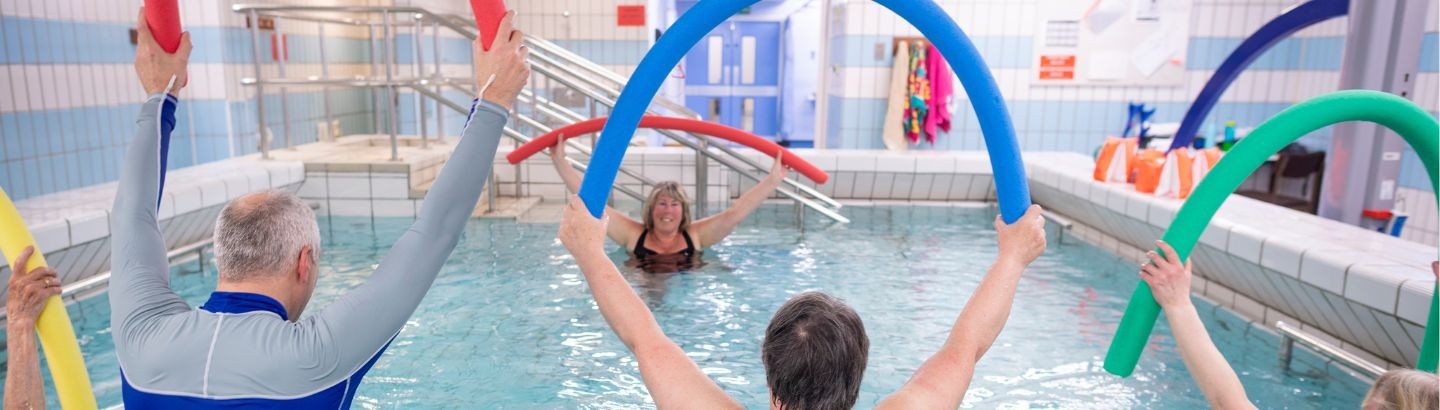
Being more active can really help while you are living with cancer. It can help when recovering from cancer treatment. It is safe for you to be more active before, during and after cancer treatment. Being active has many benefits when you have cancer.
It can:
• Reduce tiredness (fatigue)
• Reduce anxiety and depression
• Help you keep to a healthy weight
• Strengthen your muscles
• Improve bone health
• Improve your flexibility and ability to stretch
• Improve balance.
We also know that regular exercise can reduce your risk of developing cancer.
Being physically active can mean doing simple daily activities. This could be housework, gardening or walking to the shops. But it can also mean exercising more energetically. This could be dancing, running or cycling. It is worth trying to find something you really enjoy.
The type of exercise you do will depend on what stage you are at with cancer treatment. It will also depend on what you like doing. Your level of fitness will also affect the amount of activity you can do. If you need advice, talk to your Cancer Nurse Specialist.
The NHS recommends you should try to do regular physical activity at least 30 minutes every day. Even taking a walk as your 30 minutes of exercise is good for you. If you are able to do harder exercise for 30 minutes a day this can further reduce your risk of cancer developing. This could be such as aerobics or playing tennis.
You might be nervous about starting a physical activity plan. It might be that you were not very active before your cancer treatment. You may worry you are too tired. You might be worried you could hurt yourself. But research shows that even a little activity is better than no activity at all. As you start to feel more confident, you can slowly build up the amount of activity you do.
Sex and intimacy are a normal part of our well-being. Cancer and cancer treatment can affect many areas of sexual well-being.
They may cause changes that are:
• Physical – you may be too tired or have side effects or symptoms that change how your body works or looks. This could include problems getting or keeping an erection or changes to the vagina.
• Emotional – you may be dealing with stress, worry or other difficult feelings.
• Practical – your usual routines or roles may change.
Many changes caused by cancer treatment are temporary. They usually get better after treatment finishes. As you recover, you may find your sex life goes back to the way it was. Sometimes you may have to adjust to changes that last longer. I could be that they are permanent. There can be ways to improve your sexual well-being. It is also possible to manage any problems. Sometimes this gets forgotten because there are other things to cope with when you have cancer.
It can be difficult to start a conversation about sex with someone from your healthcare team. Some people feel embarrassed. They may feel uncomfortable talking about something so personal. But it is important to get the right information when you need it. You can ask your healthcare team about anything before, during or after cancer treatment.
A health professional may not ask about your sexual well-being unless they know you want to talk about it. Tell them if you have questions or are worried about anything. They will understand that these questions are important to you.
If you are in a relationship, try to be honest about how you feel. If cancer or treatment has changed how you feel about your body or about sex, tell your partner. This gives them the chance to understand and support you. They may also have questions to ask you. Try to listen to, and answer, each other’s questions and concerns.
Videos and useful information
Cancer and Sexual Problems Explained - Advice From a Sexual Therapist
Sex and side effects of cancer treatment
Will my Cancer Treatment Affect my Sex Life?
Sex and Intimacy after Breast Cancer Surgery
How to Help Recover Sexual Function After Your Prostate Surgery?
Sex and Prostate Cancer: Martin's Story
Sex and Intimacy after Treatment: Coping With the Emotional Impact
Living With and Beyond Cancer: Treating Erectile Disfunction
Cutting back how much alcohol you drink can have many benefits. Drinking alcohol can increase your risk of serious illnesses.
This can include:
• diabetes
• liver disease
• pancreatitis
• heart disease
• seven different types of cancer
There is an added risk for those who regularly drink more than the UK Chief Medical Officer's recommended limit. This is 14 units per week.
Many people don't know how much alcohol they drink could be having an impact on their health. Taking an alcohol self-assessment can help this. Follow the link to the self-assessment you can do yourself.
No matter how much you drink, the good news is it's never too late to start reducing how much you drink. Reducing how much you drink can have a positive effects. These can often be within a few days. In the longer term it will help reduce your risk of a number of serious health issues.
The benefits of reducing how much alcohol you drink include:
• Healthier looking skin
• Having more energy
• Losing weight
• Feeling happier
• Having a good night’s sleep
• Reducing your risk of cancer
Take the alcohol self-assessment test here
Listen to a podcast about our Alcohol Care Team and how to reduce your drinking here: Our People Podcast
Even after a cancer diagnosis stopping smoking can make a big improvement to your lifestyle. Your health might get better in ways you may not expect.
Once you stop smoking, some of the benefits are immediate and some are longer-term.
- You are more likely have a shorter stay in hospital
- Any wounds are likely to heal more quickly. It is best to stop smoking 8 weeks before surgery. But even stopping a few weeks before and not smoking after surgery will reduce the risk of complications.
- Stopping smoking during and after radiotherapy may make the treatment more effective. It can also reduce the side effects of radiotherapy. You are likely to have fewer side effects from cancer treatment if you do not smoke. They also tend to be less severe.
- Stopping smoking may also lower the risk of cancer coming back after treatment.
If you want to give up smoking, it is never too late to stop. Ask your GP for advice, or contact the links below:
Overview - Sunderland Specialist Stop Smoking Service - NHS (www.nhs.uk)
Cancer and its treatment can affect your ability to work, and this can be lead to worries. Some people stop working during cancer treatments. They may stop for a while after treatment until they feel ready to go back to work. You can talk to your Cancer Nurse Specialist or Cancer Doctor about whether you can work during treatment. They will talk to you about how long you may not feel able to work.
Sometimes continuing to work can be helpful to you. It allows a normal routine and something else to think about. It can help with contact with friends and colleagues who you may get support from. It may be important for your finances. It can also be helpful to talk to your manager or human resources (HR) manager. They may be able to offer you some changes (reasonable adjustments). These could be reduced hours or working from home. These could allow you to continue to work. If you are self-employed and diagnosed with cancer you may need to make some decisions about your business. You may need to talk to your clients if you need to take some time off. Macmillan can offer advice and support using the links below.
Financial support
Your local Cancer Information Centre can offer you advice. It could be your situation changes throughout your cancer journey. Or after your treatment you may need help and support. It can advise and get a benefits assessment carried out for you.
Macmillan grants/Support grants
Speak to the centre’s team. It may be able to get you a Macmillan grant if you have not previously had one. It can also ask the local council to see what support is available.
Free prescriptions
There's a simple way to find out if you're eligible for free NHS prescriptions and any help with other NHS costs. Click here to use the eligibility checker.
Useful information
Making work adjustments for an employee being affected by cancer
Difficulty sleeping (insomnia)
Insomnia is when you have difficulty falling asleep or staying asleep at night.
Most people experience insomnia at some point during their lives. It can be due to lots of different reasons.
Some things that can cause insomnia when you have cancer include:
• symptoms caused by the cancer (such as pain or sickness)
• side effects of treatment
• worry, anxiety or depression
If you often have insomnia, it can interfere with everyday life. You may feel very tired, have low energy, poor concentration, irritability and an inability to cope.
Worry, anxiety or depression
A cancer diagnosis can cause many different feelings. These can include worry and anxiety. This is natural and can be hard to cope with. You may be worrying about the disease. You may be concerned about treatment. There could be disruptions to family and work life. You might find that thoughts run over and over in your head.
You might find it helpful to write down your thoughts and worries in a journal.
Talking through your worries can help. If you don’t want to talk to family or friends, then you might find counselling helpful. Your Specialist Nurse can refer you for counselling at the Sunderland or South Tyneside Cancer Information Centre. Or your GP can refer you for counselling.
Things that might help?
There are things you can do to try to help improve your sleep:
• Make sure you turn off mobile phones, tablets and TV at least 2 hours before going to bed.
• Try to be physically active during the day.
• Have a regular bedtime routine.
• Try to avoid caffeine 6 hours before you go to bed as it can keep you awake.
• Try to avoid alcohol as it can affect sleep quality.
• Listen to relaxing music before bed.
• Meditate, practice mindfulness or try deep breathing at bedtime.
• Make sure the temperature in the bedroom is not too hot or cold.
• Minimise noise and light in the bedroom.
• Have a relaxing bath before bed.
• Try putting a few drops of lavender oil on your pillow or use a lavender cushion.
• Give your feet a massage with some oil or moisturiser.
• Your local Cancer Information Centre may offer complementary therapies that can help.
If you are worried about disturbed sleep then do talk to your doctor or specialist nurse.
Useful websites
Self-help tips to fight tiredness
Difficulty sleeping (insomnia)
Difficulty sleeping | Coping with cancer