People affected by cancer may have some of the symptoms listed below, talk to your doctor or nurse about your symptoms. Most symptoms can be controlled with the help of your healthcare team, family and friends. Some symptoms may only happen with certain cancers. Some symptoms may be caused by either the disease or the treatments you receive for cancer. We hope this information helps you deal with some of the questions or feelings you may have. Please share this information with your family and friends.
People affected by cancer and receiving treatment can feel sick (nauseous) or be sick (vomit). It is important nausea and vomiting are controlled. This is so that you can continue treatment and have a better quality of life.
Nausea and vomiting as a side effect of cancer therapy
Nausea and vomiting can be side effects of cancer therapy. They can affect most patients who have chemotherapy. Radiation therapy to the brain, gastrointestinal tract or liver also cause this.
Nausea is an unpleasant feeling in the back of the throat and/or stomach. It may come and go. It may occur before vomiting. Vomiting is throwing up the contents of the stomach through the mouth. Retching is the movement of the stomach and oesophagus without vomiting. Patients may have nausea more than vomiting.
Vomiting can be triggered by:
- Smell
- Taste
- Anxiety
- pain
- moving or changes in the body caused by inflammation
- poor blood flow
- irritation to the stomach
Factors that increase the risk of nausea and vomiting with chemotherapy
Nausea and vomiting with chemotherapy are more likely if you:
- Are treated with certain chemotherapy drugs.
- Had severe or frequent periods of nausea and vomiting after past chemotherapy treatments.
- Are female.
- Are younger than 50 years.
- Had morning sickness or vomiting with a past pregnancy.
- Have a tumour in the gastrointestinal tract, liver or brain.
- Have constipation.
- Are receiving certain drugs, such as opioids (pain medicine).
- Have an infection, including an infection in the blood.
- Have kidney disease.
Many factors increase the risk of nausea and vomiting with chemotherapy. Radiation therapy may also cause nausea and vomiting. Other conditions may also increase the risk of nausea and vomiting in patients with advanced cancer.
Radiation therapy and nausea and vomiting
The following treatment factors may affect the risk of nausea and vomiting:
- The part of the body where the radiation therapy is given. Radiation therapy to the gastrointestinal tract, liver, or brain or whole body is likely to cause nausea and vomiting.
- The size of the area being treated.
- The dose of radiation.
- Having chemotherapy and radiation therapy at the same time.
- If you are younger than 55 years.
- If you are female.
- If you have anxiety.
- Had severe or frequent periods of nausea and vomiting after past chemotherapy or radiation therapy treatments.
Nausea and vomiting in patients with advanced cancer
Nausea and vomiting may also be caused by other conditions. In patients with advanced cancer, chronic nausea and vomiting may be caused by the following:
- Brain tumours or pressure on the brain.
- Tumours of the gastrointestinal tract.
- High or low levels of certain substances in the blood.
- Medicines such as opioids.
Anticipatory nausea and vomiting and chemotherapy treatments
In some patients, after they have had several courses of treatment, nausea and vomiting may occur before a treatment session. This is called anticipatory nausea and vomiting. It is caused by triggers. These can include smells in the therapy room. For example, a person who begins chemotherapy and smells an alcohol swab at the same time may later have nausea and vomiting. This is because of the smell of the alcohol swab. The more chemotherapy sessions a patient has, the more likely it is that anticipatory nausea and vomiting will occur.
Having three or more of the following may make anticipatory nausea and vomiting more likely:
- Having nausea and vomiting or feeling warm or hot after the last chemotherapy session.
- Being younger than 50 years.
- Being female.
- A history of motion sickness.
- Having a high level of anxiety in certain situations.
Other factors that may make anticipatory nausea and vomiting more likely include:
- Expecting to have nausea and vomiting before a chemotherapy treatment begins.
- Doses and types of chemotherapy (some are more likely to cause nausea and vomiting).
- Feeling dizzy or lightheaded after chemotherapy.
- How often chemotherapy is followed by nausea.
- Having delayed nausea and vomiting after chemotherapy.
- A history of morning sickness during pregnancy.
Acute and delayed nausea and vomiting during chemotherapy
Acute and delayed nausea and vomiting are common in patients being treated with chemotherapy. Acute and delayed nausea and vomiting with chemotherapy or radiation therapy are usually treated with drugs. Chemotherapy is the most common cause of nausea and vomiting related to cancer treatment.
How often nausea and vomiting occur and how severe they are may be affected by the following:
- The specific drug being given.
- The dose of the drug or if it is given with other drugs.
- How often the drug is given.
- The way the drug is given.
- The individual patient.
The following may make acute or delayed nausea and vomiting with chemotherapy more likely if you:
- Have had chemotherapy in the past.
- Have had nausea and vomiting after previous chemotherapy sessions.
- Are dehydrated.
- Are malnourished (poor eating).
- Have had recent surgery.
- Received radiation therapy.
- Are female.
- Are younger than 50 years.
- Have a history of motion sickness.
- Have a history of morning sickness during pregnancy.
Patients who have acute nausea and vomiting with chemotherapy are more likely to have delayed nausea and vomiting as well.
Radiation
Drugs may be given before each treatment to prevent nausea and vomiting. After chemotherapy, drugs may be given to try and stop vomiting later. Patients who are given chemotherapy several days in a row may need treatment for both acute and delayed nausea and vomiting. Some drugs last only a short time in the body. They need to be given more often. Others last a long time and are given less often. Speak to your nurse or consultant for further information.
Treating nausea and vomiting without drugs
Treatment without drugs is sometimes used to control nausea and vomiting.
Non-drug treatments may help relieve nausea and vomiting, and may help anti-sickness drugs work better. These treatments include:
- Diet
- Acupuncture
- Relaxation
- CBT (Cognitive Behaviour Therapy)
People affected by cancer may have pain for a number of reasons.
It may be caused by the cancer or its treatments. It could have another cause. Pain can affect people with cancer at any stage. However, it is more common when cancer is advanced. Having the pain controlled is an important part of your treatment and care.
Your doctor or nurse can help you manage your pain in the hospital, in the community or at home.
Click here to watch a video about understanding pain.
Some people have pain from other health conditions. For example this could be, arthritis or diabetes. Your pain treatment plans should also include other conditions that cause pain.
Some possible reasons for pain are:
• The cancer pressing on tissues or nerves, on a bone or an organ nearby.
• The cancer blocking a part of the body. For example the bowel, and stopping it working normally.
• Surgery causing nerve or tissue damage in the area.
• Radiotherapy damaging the skin or nerves in the treated area.
• Side effects of anti-cancer drugs (chemotherapy). These could be a sore mouth, nerve damage (peripheral neuropathy), muscle or joint stiffness or pain. It can come and go. The area may feel numb or sensitive. You might describe the pain as burning, tingling, stabbing, a shooting pain or pins and needles. Certain anti-nerve pain drugs and other treatments can be used to treat nerve pain.
If you get a new ache or pain, you may worry the cancer has come back. You may think it is getting worse. This is a common worry. But there are different reasons for changes in pain levels.
Always tell your doctor about any new pain or symptom. This is so you can get the right treatment to help you.
Cancers and their treatments can cause a sore mouth and throat. This can make chewing and swallowing more difficult. You should speak to your doctor or nurse if you or someone you care for have difficulty swallowing or problems with your mouth. This is so you can get the help you need.
Some cancers and their treatments can cause a sore mouth and throat. This can make chewing and swallowing difficult. Dysphagia is the medical term for swallowing difficulties. Some people with dysphagia have problems swallowing certain foods or liquids. Others can’t swallow at all.
Signs of dysphagia include:
- Coughing or choking when eating or drinking
- Bringing food back up - this can sometimes be through the nose
- A sensation that food is stuck in your throat or chest
- Persistent drooling of saliva
- Being unable to chew food properly
- A gurgly, wet-sounding voice when eating or drinking
- Over time, dysphagia can also cause symptoms such as weight loss and repeated chest infections.
You should speak to your doctor or nurse if you or someone you care for have difficulty swallowing or any other signs of dysphagia. This will help you get treatment to help with your symptoms.
Early investigation of dysphagia is also important. It can also help to rule out other more serious conditions. This can include oesophageal cancer. Your doctor or nurse may refer you for other tests. Read more about diagnosing dysphagia.
There are certain types of cancer that are more likely to cause swallowing problems :
- voice box (larynx)
- thyroid gland
- mouth and tongue (oral cancer)
- throat (pharynx)
- nasal cavity and sinuses
- melanoma or other skin cancer on the face
- salivary glands
- food pipe (oesophagus)
- stomach
- lung
Our Head and Neck patients have used their own experiences to help others. They worked with a member of our Speech and Language Therapy Team and students from the University of Sunderland to create a cookbook.
Treating dysphagia
Treatment usually depends on the cause and type of dysphagia. Many cases of dysphagia
can be improved with careful management. But a cure isn't always possible.
Treatments for dysphagia include:
- Speech and language therapy. This helps swallowing recovery with special exercises and techniques.
- Changing the consistency of food and liquids. This makes them safer to swallow.
- Other forms of feeding. This could include tube feeding through the nose or stomach.
- Surgery to widen the oesophagus. This is when it is stretched or a plastic or metal tube (stent) is put in.
- Treating a sore mouth or throat with medications.
Causes of dysphagia
You may have difficulty swallowing because you have had:
- Surgery to your head or neck area. This may affect the muscles in this area. This can make chewing and swallowing difficult. How difficult depends on the size and position of the cancer. It may depend on the type of operation that you have had.
- a course of radiotherapy to your head or neck
- a tube (stent) put into your food pipe
- your voice box removed
- a tumour blocking part of your throat, voice box or food pipe (oesophagus)
- a sore mouth or throat due to chemotherapy, targeted cancer drugs or immunotherapy
The effects of surgery
Food and liquids can be difficult to control after surgery to your mouth (oral surgery).
They can leak out of the side or front of your mouth. Weak throat (pharynx) muscles might make it hard to move food and liquid from your mouth to your food pipe (oesophagus). This can cause coughing and choking at times. This is because food or drink has gone down the wrong way.
After removal of the voice box (laryngectomy) for cancer of the larynx, inhaling food or drink will not be a problem. This is because your windpipe will no longer open into your mouth. But you may still have difficulty moving food from your mouth down into your food pipe.
Your sense of smell is likely to be poor after the removal of your voice box . This is because you can no longer breathe air into your nose. This can also affect your sense of taste. You may prefer more strongly flavoured food than you used to.
The effects of radiotherapy
Radiotherapy to the head and neck can lead to:
• soreness in the throat and mouth
• a dry mouth because less spit (saliva) is made
• stiffness of the muscles and other tissues around the treatment area
• loss of taste
• pain or discomfort due to teeth or gum problems
These effects may mean you have difficulty chewing and swallowing. You might eat less. If you have pain, taking painkillers about an hour before you eat may help.
The effects of chemotherapy, targeted cancer drugs and immunotherapy
Chemotherapy, targeted cancer drugs and immunotherapy may make your mouth and throat very sore. You might need to have a soft diet for a short while. Talk to your doctor or nurse if your mouth is very painful and you cannot eat.
They can suggest several ways to control pain. Taking regular painkillers can reduce the pain. This means you may be able to eat and drink. Your doctor or nurse will also suggest regular mouth care with mouthwashes. This can help to prevent infection and discomfort.
Complications of dysphagia
Dysphagia can sometimes lead to further problems. One of the most common problems is coughing or choking. This is when food goes down the "wrong way". It can block your airway. This can lead to chest infections.
This can include aspiration pneumonia. It will need urgent medical treatment. Aspiration pneumonia can also develop after accidentally inhaling something. This could be a small piece of food.
Warning signs of aspiration pneumonia include:
• a wet, gurgly voice while eating or drinking
• having a voice that gurgles and sounds 'wet' after you swallow
• the need to clear your throat after each mouthful of food
• coughing while eating or drinking
• pain and dryness when swallowing
• difficulty breathing – breathing may be rapid and shallow
When to use NHS 111 - NHS (www.nhs.uk)
Coming to terms with swallowing or chewing problems
You may avoid eating and drinking due to a fear of choking. This can lead to malnutrition and dehydration. Dysphagia can also affect your quality of life. This is because it may stop you from enjoying meals and social occasions.
All these changes can be tough to come to terms with. Mealtimes may no longer be enjoyable. Some people feel they want to eat alone. This is because they find it embarrassing to eat and drink in front of people.
You may need to switch to food that is easier to chew and swallow for a while. This is called a soft diet. A dietitian will tell you how to manage this. A soft diet can help to make things easier for you. It may take a while to adjust. This may only be a temporary change for you while you recover from treatment. For some people this may be permanent. Try to be patient with yourself. Give yourself time to get used to new ways of eating.
Please click here for soft meal ideas.
Dental (oral hygiene)
Many cancer treatments have side effects.
They may affect:
- a person's mouth
- teeth
- salivary glands
Your dentist and other dental health professionals can help. This can be before, during and after cancer treatment.
Cancer and its treatments may cause breathlessness. There are different ways to help manage this. If you are breathless, you may experience uncomfortable or fast breathing. You may feel short of breath or your chest may feel tight.
There are different causes of breathlessness. Your doctor can explain the cause of this and help you find the best treatment. If your breathlessness gets worse quickly or you have pain when you breathe, contact your doctor immediately. You may need urgent treatment.
If you cannot speak to your doctor and your breathlessness continues to get worse, go straight to your nearest A&E (emergency department). Please ensure you contact your cancer nurse specialist if you have any concerns.
Please follow links below to Macmillan for more specific information.
Some cancer treatments can affect your skin and nails. Their condition and appearance may change, depending on the drug or treatment you are receiving. Tell your doctor or nurse about any skin changes.
Your cancer team can advise on looking after your skin. They may tell you if there are products you should use or avoid. It is important to follow their advice.
How treatment can affect your skin
Some chemotherapy drugs make your skin dry and more sensitive to sunlight. Certain drugs may make the palms of your hands or the soles of your feet red and sore (palmar-plantar syndrome). Your specialist can give you advice. They may reduce the dose of the drug.
Radiotherapy can affect the skin colour in the treated area. It can cause broken veins to appear later. Your skin may become red, sore or itchy. If you have dark skin, it may become darker. The person giving you your radiotherapy will tell you how to care for your skin during and after your treatment. It is important to follow their advice.
Hormonal therapy drugs may affect your skin, nails and hair. The effects are usually mild and may cause dry skin and rashes. Rarely, they may also cause spots. Some people have medicines called steroids as part of their treatment. Steroids can make your skin more likely to get spots and redden.
Chemotherapy, targeted and immunotherapies, hormonal therapies or steroids can all cause rashes, dry skin or spots that look like acne. If you are having immunotherapy treatment and you get a rash, tell your doctor straight away. Targeted therapies and immunotherapies can also make your skin itchy and more sensitive.
Videos
Skincare Following Radio Therapy
How to: Gentle Skincare Regime
How to: Effortless Eye & Brow Make-up
Gentle Skincare Regime & Brow Look For Men
A cancer diagnosis can affect your emotional health. It can also impact your family and caregivers.
Common feelings include:
• anxiety
• distress
• depression
It's important to recognise these changes. You can get help from the health professionals supporting you.
Useful links
Podcast - Coping with worries of reoccurance
Videos
How to relax | 8 relaxation tips for your mental health
Lymphoedema happens when your body’s drainage system is not working properly. Or it could have been damaged by cancer or cancer treatment. You can find out more about lymphoedema and how to manage this on the links below:
Deep breathing for lymphoedema
Bowel problems are common in people with cancer.
They can be caused by the cancer itself side effects of cancer treatment:
• medication
• stress
• anxiety
• depression
The most common problems are constipation and diarrhoea. There can sometimes be a bowel obstruction (blockage), or stoma and ileostomy difficulties.
There are a number of ways to help ease the symptoms. The information on this page will help you to find out more about bowel problems. It will offer you ways to manage them, during and after cancer treatment.
Bowel problems
Bowel problems are a common problem during cancer and its treatments. The main problems you may be aware of are constipation or diarrhoea. When your bowel habits change, the symptoms can be uncomfortable.
Other symptoms of bowel problems include:
- pain
- bowel cramps
- bloating
- loss of appetite
Chemotherapy, radiotherapy and surgery can temporarily change your bowel function. Medications, inactivity and a change in food intake can add to this problem. Infections can also lead to diarrhoea. Normal bowel movements vary from person to person. It is what is normal for you which counts.
Constipation
Constipation is when it is difficult to empty your bowels and the stools are dry and hard. You may feel bloated and uncomfortable. You may find trying to pass your stools painful.
Managing constipation
Constipation is uncomfortable. It can build up gradually. Your healthcare team will explain if this symptom is expected.
There may be steps you can take to help prevent and manage the problem:
- Take stool softeners and/or laxatives as recommended by your healthcare team.
- Drink plenty of fluids. Up to 8 glasses of water a day can help keep the stools soft and maintain a normal bowel habit.
- Try some light exercise as this will help. This will keep the bowel working smoothly.
- Eating a high fibre diet can help. Foods can include whole wheat breakfast cereals, wholemeal bread, pasta, brown rice, fruit and vegetables with skins on. However, check with your healthcare team if this will be ok. For some cancers and treatments which affect the bowel, a high fibre diet isn’t recommended.
- Eating at the same time of the day and regular meals can help restore a normal bowel habit.
- Taking time to go to the toilet and not straining, or rushing, can help too.
If the symptoms continue, tell your doctor. Constipation can cause complications. The bowel may become impacted (blocked by hard stool) and lead to further problems.
Diarrhoea
Diarrhoea is when the stools become loose and watery. You may find you’re passing stools frequently. More than three times a day can be classed as diarrhoea. It is often accompanied with cramps, wind and discomfort.
If you are aware of a change to your normal bowel habits, discuss your concerns with your doctor and hospital team. This helps sort the symptoms out early. It can help prevent the problems in the first place. If you have an ileostomy or stoma you may need special advice.
Managing diarrhoea
Diarrhoea can feel more distressing than constipation. The urge to go to the toilet straight away adds to the general upset of the symptoms. Your healthcare team will have explained that diarrhoea may happen with some of your cancer treatments.
Sometimes diarrhoea is a mild and temporary side effect. It is a symptom that shouldn’t be ignored. You could soon become dehydrated (dry). This can cause lead to further problems.
- Ask for and take any medication to help ease the diarrhoea as prescribed by your doctor. You may also be given some tablets. These can relieve the pain and cramps if they’re very uncomfortable.
- Try and drink plenty of fluids, ideally 8 glasses of water a day. This will help keep you hydrated.
- Eat light meals only. Avoid high fibre foods , greasy foods, caffeine and dairy foods.
- Try and eat small amounts little and often, rather than a big meal. Foods which might help bulk up the stool include rice, pasta, skinless potatoes, white bread, bananas, chicken and fish.
If your temperature is higher than normal, you pass blood or tarry stools, or the diarrhoea is becoming more frequent (4-6 times a day or more), then let your doctor/healthcare team know straight away.
Having a healthy balanced diet is really important if you have or have had cancer. Treatment can affect your appetite. It can change your taste. You may find it hard to swallow or digest food. Below you will find information on eating well with cancer.
Podcast - Exploring diet and nutrition through your cancer journey
The Myth Surrounding Nutrition
Our Head and Neck patients have used their own experiences as they worked with a member of our Speech and Language Therapy Team and students from the University of Sunderland to create a cookbook.
Some cancer treatments may make your hair fall out completely.
This may be from your head and other parts of your body. This is usually temporary. Other treatments can cause permanent hair loss in specific areas of your body.
Sometimes you may not lose all your hair. Your hair can become thinner or more likely to break (brittle).
Click here for a booklet on hair loss from Macmillan.
Chemotherapy and hair loss
Chemotherapy affects the normal hair growth cycle. It causes hair loss. This is called chemotherapy-induced alopecia (CIA). Hair cells do quickly recover. This means if you lose your hair due to chemotherapy, it will almost always grow back when your treatment is over.
Many people assume that they will lose their hair if they have chemotherapy. This is not always true. If you don't lose your hair, it does not mean that the chemotherapy is not working. Hair loss can vary from mild shedding that is hardly noticeable, to complete hair loss.
The amount of hair which falls out depends on:
- the drug or combination of drugs used
- the dose given and the way your body reacts to the drug
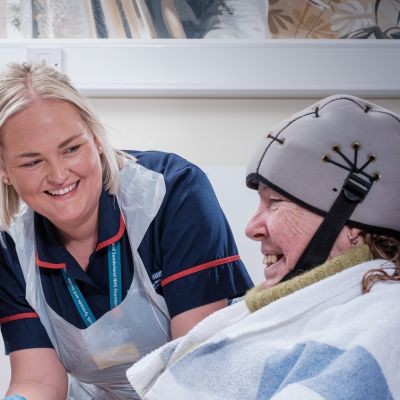
New chemotherapy treatments are being tested all the time. So it is not always possible to tell whether someone will lose their hair. For some people, a process called scalp cooling can reduce or prevent hair loss.
Some chemotherapy drugs make other body hair fall out. This can include eyebrows, eyelashes, nose hair, beards, moustaches, chest hair, leg and harm, underarm and pubic hair. This is almost always temporary. We have some practical tips to help you cope with this hair loss.
During chemotherapy
If your hair falls out from chemotherapy, it usually starts 2 to 3 weeks after your first session. Sometimes it can start within a few days. This is rare. The first thing you may notice is hair on your pillow in the morning. You may also see more hair coming out when you brush, comb or wash it.
Some people only lose some of their hair. The remaining hair will look thinner. For other people, hair may keep falling out over several weeks, leading to total hair loss.
Sometimes the hair comes out very quickly over one or two days, which can cause a lot of distress and you may find that your scalp feels tender.
Your hair loss may continue throughout your treatment and for a few weeks afterwards. Sometimes your hair may start to grow back between treatments and then fall out again.
Some people do not lose their hair, but their hair becomes dry and weak and breaks easily.
If this happens to your hair, be careful with your usual hair care routine to help reduce damage.
Coping with hair loss
We have a scheme to support patients with hair loss. The hospital will offer you a voucher up to the value of £200.
Please click here to access full information around this service.
Will my hair grow back after chemotherapy?
Hair loss from chemotherapy is almost always short term. Your hair should start to grow back. However, very rarely hair loss can be permanent. When your hair grows back, the new hair can be different to what it was like before treatment. It may be curlier, straighter, finer, fluffier or a different colour or even grow back at different speeds.
Facial hair, such as beards and moustaches may also grow back patchy or even a different colour. It may take a while for facial hair to return to what it was like before treatment.
You will probably have a full head of hair 3 to 6 months after treatment ends. After around 12 months, you should have a good idea of how thick your hair will be. Very rarely, after high doses of chemotherapy, not all hair grows back.
Very occasionally, some follicles will not make a new replacement hair. This can make your hair permanently thinner.
Radiotherapy
Radiotherapy will only cause hair loss in the part of the body being treated. Hair loss can happen where the radiation beam leaves the body. For example, on the back of the neck, as well as where it enters the body. Ask your cancer specialist or radiographer to show you exactly where your hair may fall out.
The hair loss will also depend on the strength of the dose. It also depends on number of treatments you have. If you are having treatment for breast cancer, and the radiotherapy includes your armpit, the hair under your arm is likely to fall out.
If you have a beard and have radiotherapy to your head or neck, you may lose your beard. Hair usually begins to fall out 2 to 3 weeks after your first session. It takes about a week for the hair in the treatment area to fall out completely.
Will my hair grow back after radiotherapy?
Hair regrowth after radiotherapy will depend on lots of things, including the:
- type and dose of treatment
- number of treatments given
- area of your body affected.
Your radiographer can usually tell you before the treatment if your hair is likely to grow back. If you have been told your hair will grow back, this can start once your skin has healed after treatment.
Hormonal and targeted therapies
Some people notice their hair becomes thinner while taking a hormonal therapy or targeted therapy. This is usually mild. The hair grows back at the end of treatment. If you have a beard, you may notice you have less beard growth.
You may notice that the hair on your head and body is finer, curlier or more brittle. Each therapy has different possible side effects.
Any hair loss from hormonal or targeted therapies nearly always grows back once you have finished treatment. Your doctor can advise you about the type of drug you are taking.
Usually, your hair will start to grow back 3 to 6 months after finishing your treatment. But it may take longer if the treatment dose has been high.
The hair that grows back may be thinner, patchy or a different colour. Sometimes the hair loss is permanent. This can be especially upsetting if it affects the hair on your head.
If you have hair loss on your head, you may want to wear a hairpiece, wig or some other type of headwear. It may also be possible to have a hair transplant.
Surgery
If you are having surgery in an area of the body that has hair, it will be shaved. For example, if you have a brain tumour, an area of the head will be shaved. This is usually a small area of hair. It will grow back after the operation.
It’s perfectly normal to experience fatigue when going through cancer treatment. It could be you have finished your treatment. Fatigue is about more than just feeling tired. It can have an impact on you physically, how you feel and your mind.
We’ve provided some useful information. This is to help you understand fatigue and how to cope with it.
Please click on the links below to watch useful videos. They show fatigue and how to overcome. These videos are for anyone with a cancer diagnosis.
Sometimes, hearing from someone who has had a similar experience to your own is helpful.
Please click here to Macmillan Cancer Support that looks at different ways to help yourself, click here to view a Macmillan booklet on how to deal with fatigue at work and at home.
Top Tips on Managing Fatigue Through Cancer Treatment