If you have recovered from cancer we would encourage you to take part in any screening opportunities offered to you. If you are having cancer treatment or are living with cancer, ask your doctor or nurse about this. They will be able to tell you if any screening test appointments can be helpful for you.
You may find the information on this page and early detection helpful. Please share information with your family and friends. This can help encourage them to take up screening and be body aware.
What is screening?
Screening is a way of identifying healthy people who may have an increased risk of getting cancer. Or, they may have developed a cancer but not have symptoms. The NHS offers a range of screening. The aim is to offer screening to the people who are most likely to benefit from it.
Screening means testing people for early stages of a disease. This is before they have any symptoms.
For screening to be useful the tests:
- need to be reliable at picking up cancers
- overall must do more good than harm to people taking part
- must be something that people are willing to do
- screening tests are not always perfect and do have some risks.
- the screening programme should also be good value for money for the NHS.
Screening tests can be done in different ways for different types of cancer. Sometimes this involves an X-ray test, a swab or a sample of your poo.
Screening results
If you get a normal result (negative result) after a screening test, this means you are at low risk of having the condition. This does not mean you will never develop the condition in the future. It means you are low risk at this time. If you have a higher-risk result (positive result), it means you may have the condition that you've been tested for. You will be offered further tests to confirm if you have the condition. You can then be offered treatment. You can also get advice and support. Finding out about a problem early can mean that treatment is more effective. However, screening tests are not perfect. They can lead to difficult choices about having further tests or treatment.
You can also watch animations about NHS screening in the link below:
- female lifetime NHS screening pathway
- male lifetime NHS screening pathway
- Public health England have supplied easy read resources click here to downloaded for free
For more information about breast screening, cervical screening or bowel cancer screening, contact your GP. They should receive a copy of your results. You can also contact your local breast screening unit. Or you can call the bowel cancer screening helpline on 0800 707 6060.
NHS bowel cancer screening checks if you could have bowel cancer. It's available to everyone aged 60 to 74 years. It is expanding to make it available to everyone aged 50 to 59 years over the next few years.
You use a home test kit, called a faecal immunochemical test (FIT), to collect a small sample of poo. It is then sent to a lab. This is checked for tiny amounts of blood.
Please click here to see a short animation about a FIT test.
Blood can be a sign of polyps or bowel cancer. Polyps are growths in the bowel. They are not cancer. But they may turn into cancer over time.
If the test finds anything unusual, you might be asked to go to hospital to have further test. This can confirm or rule out cancer.
Always see a GP if you have symptoms of bowel cancer at any age. This is even if you have recently completed a NHS bowel cancer screening test kit. Do not wait to have a screening test.
The NHS Breast Screening Programme put together a 5-point plan for being breast aware.
Breast screening starts for women between the ages of 50 and 53. You should get an appointment without asking. You will then be invited every 3 years for a check. This will be until you turn 71.
You need to be registered with a GP surgery to be invited for breast screening.
If you are 71 or over, you will not automatically be invited for a check. You can still have breast screening every 3 years if you want to. You need to call your local breast screening service to ask for an appointment.
What happens at your breast screening appointment?
During breast screening you will have 4 breast X-rays (mammograms). There will be 2 for each breast. The mammograms are done by a specialist. They are called a mammographer who will be female. The screening only takes a few minutes and the whole appointment should take about 30 minutes.
The mammographer will check your details. They will ask if you have had any breast problems. You will undress in a private changing area so you are naked from the waist up. You may be given a hospital gown to put on. You will be called into the X-ray room. The mammographer will explain what will happen next. They will place your breast onto the X-ray machine. It will be squeezed between 2 pieces of plastic to keep it still while the X-rays are taken. This only takes a few seconds. You will need to stay still. Your breast will be taken off the machine afterwards.
The X-ray machine will then be tilted to one side. The process will be repeated on the other breast in the same way. You will then return to the changing area to get dressed. Your results will be sent to you in the post. Some people say breast screening is a little uncomfortable. Sometimes it can be painful. You can talk to the mammographer about this. They are trained to help you feel more comfortable and give you support, Do not be afraid to ask them to stop at any time.
Breast screening if you are trans or non-binary
You may be asked to wait in a waiting room when you arrive. You can talk to the staff if you don't feel comfortable waiting with other people. Private changing areas are available. This is so you can get undressed. This will take place just before the mammogram. If you wear a binder, you will need to remove this before having a mammogram.
If you have any worries or questions, talk to your local breast screening services. You can also contact LGBT+ helpline www.
Things to help your breast screening appointment
- Don’t use talc or spray deodorant on the day as this may affect the mammogram – roll-on deodorant is fine
- Do wear a skirt or trousers, rather than a dress, to make it easier to remove clothes above the waist
- Remove necklaces and nipple piercings before you arrive for your appointment
- Tell the staff if you have found screening uncomfortable in the past
- Talk to the staff if you are nervous or embarrassed, they are trained to help you feel more comfortable and provide support
- Ask staff if there is anything you do not understand
- Any discomfort or pain you may have during a mammogram should go away
- If you found the mammogram very painful you may have pain for a couple of days. See a GP if the pain does not go away after a couple of days.
Breast self examination
It is useful to examine your breasts regularly to check for any changes. Take a look at your breasts and feel them. This will help you to learn what is normal for you. There's no right or wrong way to check your breasts. But it's important to know how your breasts usually look and feel for you. That way, you can spot any changes quickly and report them to a GP. You may find it easier to do this in the shower or bath, by running a soapy hand over each breast, up under each armpit, and up to each collar-bone. You can also look at your breasts in the mirror, look with your arms by your side and also with them raised.
Make an appointment to see a GP if you notice any of the following:
- change in the size, outline or shape of your breast
- a change in the look or feel of the skin on your breast, such as puckering or dimpling, a rash or redness
- a new lump, swelling, thickening or bumpy area in one breast or armpit that was not there before
- a discharge of fluid from either of your nipples. if your nipple being pulled in or looking different.
- a rash (like eczema), crusting, scaly or itchy skin or redness on or around your nipple any discomfort or pain in one breast, if it's a new pain which does not go away (although pain is only a symptom of breast cancer in rare cases)
Breast changes can happen for many reasons. Most of them are not serious. Lots of women have breast lumps. Most breast lumps are not cancerous. If you find changes in your breast that are not normal for you, see a GP and get them checked. It is important to rule out breast cancer quickly but if cancer is detected. Treatment can then be arranged quickly.
Useful links
Breast Cancer Awareness Month podcast
71 or over? You can still have breast screening if you choose
Cervical screening is a free health test that helps prevent cervical cancer. Some people refer to it as a smear test. It is exactly the same thing. It checks for a virus called high-risk human papillomavirus (HPV). If you have HPV, cervical cell changes (abnormal cells).
It is your choice whether to go for cervical screening. We hope this information helps you make the best decision for you and your health. If you have symptoms, contact your GP surgery about having an examination.
Cervical screening is not for people who have symptoms. Click here to watch a short film about cervical screening. This helps you to understand why you are invited. It will also explain what happens during the test and your results.
Who is invited for cervical screening?
You should be invited for cervical screening if you have a cervix. Women are usually born with a cervix. Trans men, non-binary and intersex people may also have one.
In the UK, you are automatically invited for cervical screening if you are:
- between the ages of 25 to 64
- registered as female with a GP surgery.
You may get your first invite up to 6 months before you turn 25. You can book an appointment as soon as you get the invite.
How often will I be invited for cervical screening?
You may be invited:
- every year
- every 3 years
- every 5 years
- straight to colposcopy for more tests.
All women and people with a cervix between age 25 and 64 can go for regular cervical screening. This is no matter their sexual orientation or gender identity.
Most cervical cell changes. Cervical cancers are caused by persistent infection with HPV. HPV can be passed on through any skin-to-skin contact in the genital area. This means anyone having any kind of sex is at risk of getting it.
Do I need cervical screening after hysterectomy or having other treatment?
If you have previously had treatment that affected your cervix, you may no longer be invited for cervical screening.
These treatments include:
- A total hysterectomy. This is an operation that removes the womb and cervix. You will not be invited for cervical screening. This is because there is no cervix to take a sample of cells from.
- Pelvic radiotherapy. This is a treatment that directs radiation at the part of the body between the hipbones (pelvis). It can damage the cells of the cervix. It makes it harder to tell if there are any changes. This is why you may not be automatically invited for cervical screening. Your doctor may do a separate follow up appointment with you.
After these treatments, your healthcare team may want you to have a different test. This is called a vault smear. This takes a sample of cells from your vagina. It tests them to check that they are healthy. Whether you are offered vault smears and how long you are offered them for depends on your situation.
Useful links
Your cervical screening appointment
Tips to make cervical screening better for you
What is a cervical screening test?
Don’t ignore your cervical screening invite
What is HPV: Your questions about HPV and the HPV vaccine answered
Beyond Words cervical screening picture story
South Tyneside and Sunderland Lung Cancer Screening Programme is a new cancer screening service. It is to check if you have lung cancer.
It is available to:
- everyone who is registered with a Sunderland or South Tyneside GP
- aged between 55 and 74 years of age
- anyone who is a current or ex-smoker
South Tyneside and Sunderland Lung Cancer Screening Programme looks at the health of your lungs.
It is done in two parts.
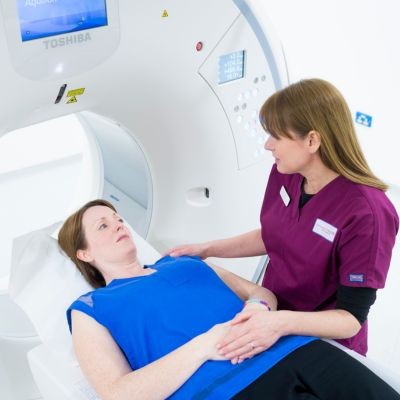
- You will have a phone call or meeting with a health professional. They will ask you about your health. They will look at your risk of developing lung cancer. If you are at higher risk you will be invited for a lung CT scan.
- The scan takes a detailed picture of your lungs. This will be looked at by experts in this area. If they find any problems, you will be asked to come back for more treatment.
Please read our Lung Health Check Leaflet: What you need to know
Why Screening is offered
It can be hard to spot lung cancer. There are often no signs or symptoms at an early stage. Around seven in ten cancer patients are diagnosed too late. This means there is less chance that treatment will make them better.
If you are aged between 55 and 74 and have smoked, you have a higher risk of developing lung cancer. We want to check your lungs are working well. It’s rare that any problems are found. If they are, it means we can act quickly and provide treatment. You don’t have to take part in the check, but it could be much better for your health if you do.
How often will I be invited for lung cancer screening?
You will be invited for screening every 2 years.
Questions about symptoms?
Speak to your GP if you have any concerns about your health. Or if you need to ask about a family history of cancer.
How to contact us
Call the South Tyneside and Sunderland Lung Cancer Screening Programme booking team on 0191 4041277.
Or email stsft.
More information and advice
For more information about lung cancer, lung health checks and advice on smoking visit:
NHS
Cancer Research UK
- Cancer Research UK Lung Health Checks
- Cancer Research UK About Lung Cancer
- Cancer Research UK Smoking
Roy Castle Lung Cancer Foundation
South Tyneside and Sunderland Stop Smoking Services
South Tyneside Stop Smoking Service
Change for Life Stop Smoking Service – South Tyneside Council
Telephone: 0191 4247300
Email: public.
Sunderland Stop Smoking Service
Freephone: 0800 1699913
Local Helpline: 0191 5671057
Email: sunderland.
www.sunderlandstopsmokingservice.co.uk
Useful links
Roy Castle Lung Cancer Foundation
An Overview of Lung Health Checks -You Tube
Lung Health Checks -Why you should attend even if you feel well -You Tube
Lung Health Checks -Short Video 1
Lung Health Checks -Short Video 2
Lung Health Checks -Harry's Story -You Tube
Information in other languages
Here is the Lung Health Check booklet.
Here are translated versions of the Lung Health Check booklet.
Information in easy read
Here is the Lung Health Check Booklet in easy read.
Here is other useful information in easy read.